Valuation

How to Spot a Collectible With Long-Term Value

How to Spot a Collectible With Long-Term ValueHow to Spot a Collectible With Long-Term Value1A necessaryreality check2Rarity —but paired withdemand3Condition mattersenormously4Authenticity andprovenance
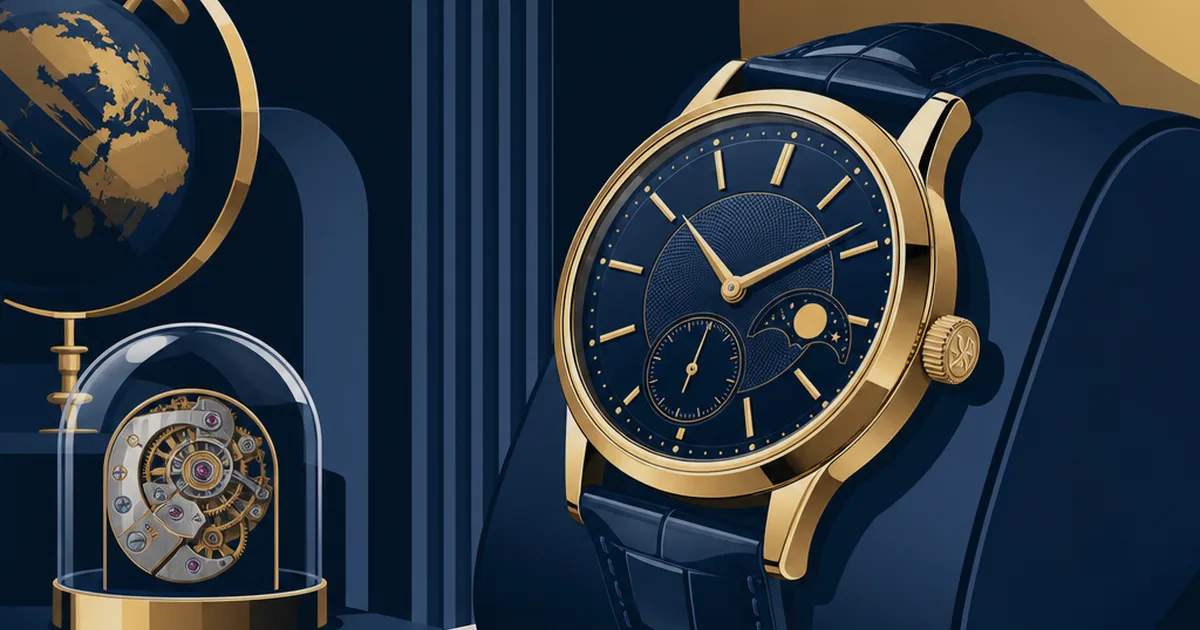
Figure: How to Spot a Collectible With Long-Term Value

Every collector eventually wonders whether the things they love might also hold or grow in value. It's a fair question — but collectibles are unpredictable, and treating them purely as investments is risky. What you can do is understand the factors that historically tend to support long-term value, and think critically before you buy.

This guide covers the qualities that tend to support a collectible's long-term value and how to evaluate them sensibly. It is general information, not financial advice — collectible values are uncertain and can fall as well as rise.

Advertisement

A necessary reality check

Before anything else, be honest: collectible values are unpredictable and can fall as well as rise. There's no formula that guarantees a collectible will grow in value, and history is full of hyped items that later disappointed. Treating collectibles as a guaranteed investment is risky. The sensible approach is to understand what tends to support value while accepting genuine uncertainty. This is general information, not financial advice.

Rarity — but paired with demand

Rarity is often cited as key to value, and it matters — but only when paired with demand. Something rare that nobody wants isn't valuable; something rare that many collectors desire can be. The powerful combination is genuine scarcity plus real, enduring interest. Be cautious of 'limited editions' that are manufactured to seem scarce without genuine demand behind them.

Condition matters enormously

Across almost every collecting field, condition dramatically affects value. Items in excellent, original, well-preserved condition typically command far more than worn or damaged equivalents. This is why careful handling and storage matter so much. When evaluating a potential purchase, condition should be a central consideration, and the difference between grades can be substantial.

Authenticity and provenance

An item is only worth what it is if it's genuine. Authenticity is fundamental, and fakes are a real risk in valuable categories. Closely related is provenance — the documented history and ownership of an item — which can support both authenticity and value, especially for significant pieces. Verifying authenticity and, where relevant, provenance protects you from costly mistakes.

Enduring demand and desirability

The most durable value comes from enduring desirability rather than fleeting trends. Items tied to lasting interest — strong reputations, cultural or historical significance, timeless appeal — tend to hold up better than those riding a temporary craze. Ask whether demand is likely to persist for decades, not just months. Hype-driven spikes can reverse quickly.

Buy what you understand and love

Because value is uncertain, the wisest strategy is to buy what you genuinely understand and enjoy. Deep knowledge helps you judge rarity, condition and authenticity, and spot both bargains and traps. And if an item never rises in value, you still own something you love. Combine knowledge, patience and a long-term view, stay wary of hype and fakes, and remember — this is general information, not financial advice.

The factors that support long-term value

No one can predict the market, but certain factors tend to underpin lasting value. Weighing them together gives a more grounded view than chasing hype:

FactorWhy it matters
Rarity + demandScarcity only matters if people actually want the item
ConditionExcellent condition commands a premium; damage erodes value
Authenticity & provenanceProven genuineness and history support value and resale
Enduring desirabilityItems with lasting appeal weather fads better

Notice that rarity alone isn't enough — it has to meet genuine, durable demand to translate into value.

Red flags to be wary of

Approach potential ‘investments’ with healthy scepticism. Warning signs include:

  • Pressure to buy quickly before you can research or verify.
  • Claims of guaranteed returns — collectibles carry real risk and are not guaranteed.
  • Missing or unverifiable authenticity and provenance.
  • Prices that seem too good to be true, which often signal fakes.

A grounded mindset for collecting and value

Perhaps the most important perspective on collectibles as investments is a realistic one: while some items appreciate meaningfully over time, values can also stagnate or fall, markets shift with fashion, and selling can involve fees, delays and uncertainty, so treating collectibles as a guaranteed path to profit is a mistake. This is general information and not financial advice, and it's worth stating plainly that you should never invest money you can't afford to lose or assume any collectible will rise in value. The collectors who tend to fare best financially are usually those who buy what they genuinely understand and love, because that knowledge helps them judge quality, condition and authenticity, and that enjoyment means they're rewarded by owning the item regardless of what the market does. Buying purely for speculation, in a field you don't understand, is where people most often lose money, whether through overpaying, missing fakes, or misjudging demand. Focusing on condition, authenticity, provenance and durable desirability stacks the odds in your favour, but it doesn't remove risk, and diversification and patience matter here as in any long-term pursuit. Approaching collecting as something you value in its own right, with any appreciation treated as a welcome bonus rather than the goal, leads to better decisions and far less disappointment. If you are considering significant sums, consulting a qualified financial professional and doing thorough independent research is the prudent course.

Why passion should come before profit

Discussions of collectibles as investments can make it tempting to approach the hobby purely as a way to make money, but a principle worth understanding is that collecting primarily for genuine interest, with any financial upside as a secondary benefit, is both wiser and usually more rewarding, and this is not merely sentimental advice but practical guidance. Predicting which collectibles will rise in value is genuinely difficult; markets shift, tastes change, and many items that seem promising do not appreciate as hoped, so treating collectibles chiefly as a financial bet exposes you to real uncertainty and potential disappointment. When you collect what you genuinely care about and understand well, however, you gain in several ways regardless of what happens to prices. You enjoy the items themselves, so your money buys pleasure and engagement rather than only speculation. Your genuine interest tends to drive the deep knowledge that actually helps you make good purchasing decisions and recognise quality and authenticity, which incidentally improves your odds if value does appreciate. And you are far less likely to make desperate or poorly judged decisions driven purely by hoped-for profit. This is why seasoned collectors so often advise buying what you love and would be happy to own even if it never increased in value, treating any appreciation as a bonus rather than the point. Approaching collecting with passion first also makes the pursuit sustainable and enjoyable over the long term, which is when knowledge accumulates and good collections are built. Nothing here is financial advice; it is simply the well-worn wisdom that grounding collecting in genuine interest protects you from the risks of speculation while making the hobby more fulfilling.

Printable checklist

Print this page or save the PDF to keep these steps handy.

  • A necessary reality check
  • Rarity — but paired with demand
  • Condition matters enormously
  • Authenticity and provenance
  • Enduring demand and desirability
  • Buy what you understand and love
  • The factors that support long-term value
  • Red flags to be wary of
⬇ Download this guide as a PDF

Summary

No one can reliably predict which collectibles will gain value, and they should not be treated as guaranteed investments. That said, certain factors tend to support long-term value: genuine rarity, strong condition, authenticity and provenance, enduring demand and desirability, and quality or historical significance. Buy what you understand and love, be wary of hype and fakes, and think long term. This is general information, not financial advice; values can fall as well as rise.

Key Takeaways

  • No one can reliably predict which collectibles will gain value.
  • Genuine rarity paired with real demand tends to support value.
  • Condition, authenticity and provenance strongly affect value.
  • Enduring desirability matters more than short-term hype.
  • Buy what you understand and love; this is not financial advice.

Frequently Asked Questions

Are collectibles a good investment?

They can appreciate, but they're unpredictable and can lose value too, so they shouldn't be treated as guaranteed investments. This article is general information, not financial advice; consider your own situation carefully.

What single factor matters most for value?

There's no single factor — value usually comes from a combination of genuine rarity, real demand, strong condition, and verified authenticity. Rarity alone, without demand, doesn't create value.

How do I avoid overpaying?

Learn the field deeply, research recent sales of comparable items, verify condition and authenticity, and be wary of hype. Knowledge is your best protection against overpaying or buying fakes.

Related articles