Trends in Collecting: What's Shaping the Market Now
Why Trends Matter — and Why to Be Wary of Them
Collecting is not static. Tastes shift, new categories emerge, once-overlooked objects become sought-after, and yesterday’s certainties cool. Understanding the forces that move the market helps a collector anticipate demand, spot opportunity, and avoid buying at the top of a bubble. But trends cut both ways: the collector who chases every fashion ends up overpaying for whatever is hot, then watching it fade. The skill is to understand trends without being ruled by them.
The soundest way to use trend awareness is defensively and selectively — to inform your timing and pricing, not to dictate what you collect. Buy what you genuinely love and understand, let knowledge of the market guide when and at what price you buy, and treat any tailwind from a trend as a bonus rather than the reason for the purchase.
Generational Taste Is Reshaping Demand
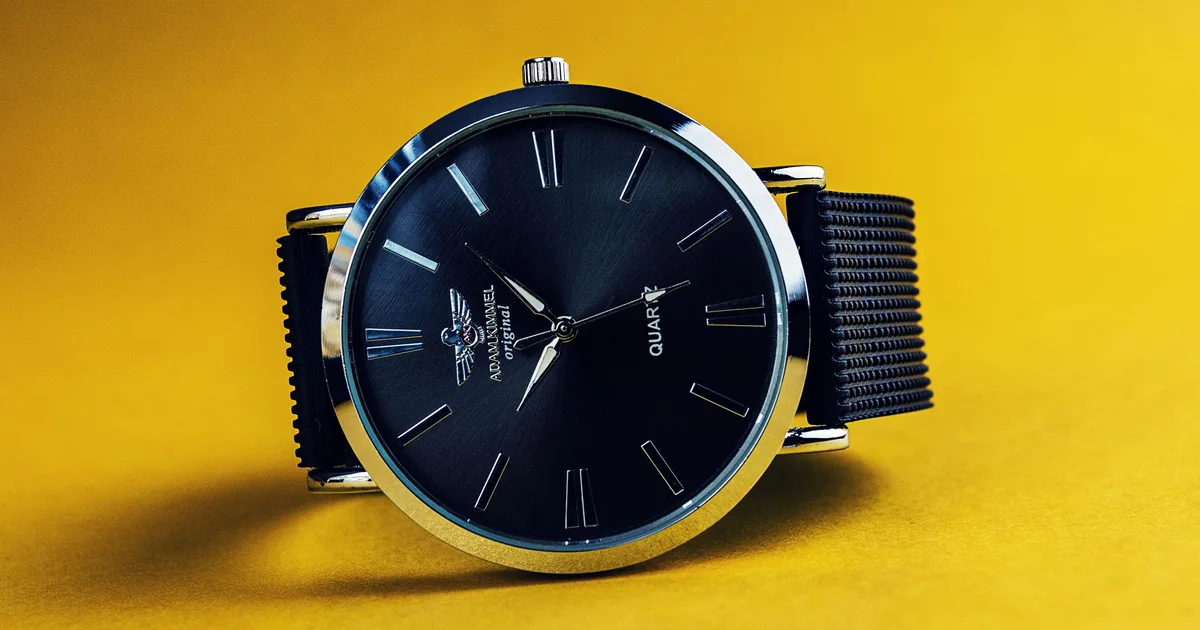
The single biggest long-term force in collecting is generational change. As wealth and collecting energy pass to younger generations, demand migrates toward the objects they grew up with and care about. Categories that older collectors prized can soften, while items once dismissed as too recent or too popular — the design, watches, cars, and cultural objects of more recent decades — rise as a new generation seeks them out. Nostalgia is a powerful and predictable driver of value.
For the forward-looking collector, this suggests attention to quality examples of categories the next generation of buyers is likely to want, bought before that demand is fully priced in. It is not a formula — taste is unpredictable in the particulars — but the broad direction, that each generation elevates its own touchstones, has held true for a long time and shows no sign of stopping.
Provenance, Originality, and the Preservation Premium
A clear and durable trend across categories is the rising premium on provenance, originality, and honest condition. As markets mature and information spreads, buyers have grown more sophisticated and more insistent on knowing exactly what they are buying and where it has been. Documented history and untouched originality command ever-higher premiums, while items of uncertain provenance or heavy restoration lag.
What this means in practice
- Original, unrestored examples increasingly outrank polished restorations — originality is finite.
- Documentation — provenance, papers, and records — is worth more than ever.
- Full sets and complete objects command growing premiums over incomplete ones.
- Transparency is rewarded; buyers pay up for certainty and discount doubt.
The lesson is durable regardless of category: buy the best, most original, best-documented example you can, and you are aligned with where discerning demand is heading.
Digital Marketplaces and Market Cycles
Technology has transformed how collectibles are bought and sold. Online marketplaces, specialist auction platforms, and global connectivity have widened access, improved price transparency, and let collectors reach objects and buyers anywhere. This is largely healthy — more information and more competition tend to produce fairer prices — but it also spreads hype faster and has enabled sophisticated fraud, which places an even higher premium on authentication and trusted sources.
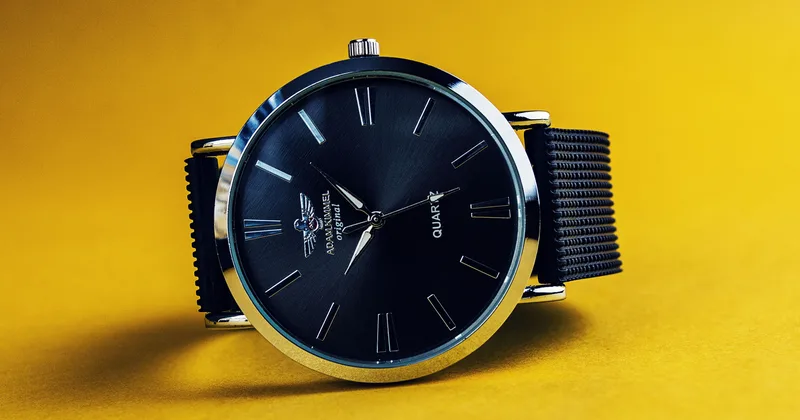
It is also worth remembering that collectible markets move in cycles. Enthusiasm builds, prices climb, speculation enters, and eventually corrections follow — as recent swings in the hottest watch and art segments have shown. A collector who understands that heat is cyclical will be cautious about paying steep premiums during a boom and alert to opportunity when sentiment cools. The best buying is often done quietly, against the prevailing mood, by those with the knowledge to know real value and the patience to wait for it.
Collector's notes
- Understand trends to guide timing and pricing — don’t let them dictate what you collect.
- Generational taste steadily shifts demand toward each generation’s own touchstones.
- Provenance, originality, and honest condition command ever-rising premiums.
- Digital marketplaces improve access and transparency but demand vigilance on authenticity.
- Markets are cyclical — be wary in booms, alert to opportunity when sentiment cools.