Understanding Limited Editions and Rarity
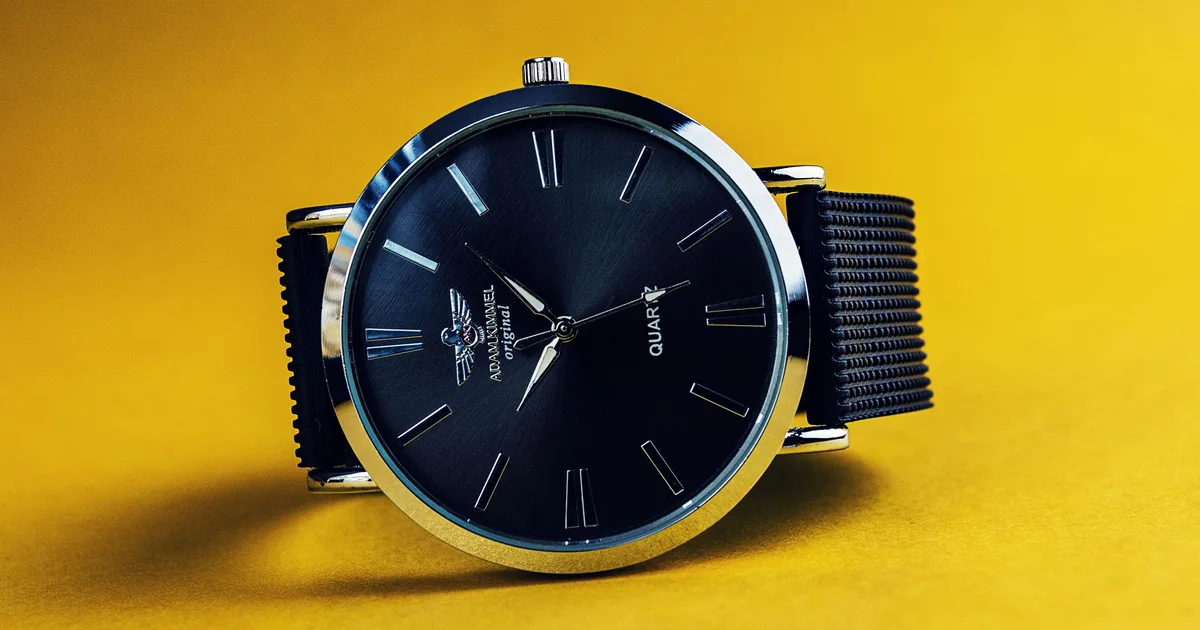
In luxury collecting, terms like limited edition and rarity carry significant weight, often influencing desirability and value. Yet these concepts are sometimes misunderstood or overhyped. Understanding what truly makes an item rare, and why rarity matters, helps you collect wisely. This guide explains limited editions and rarity, why they matter, and how to evaluate them thoughtfully.
What limited editions are
Limited editions are items produced in restricted quantities, making them scarcer than regular production pieces. This scarcity can enhance their appeal and perceived value. Understanding what limited editions are, deliberately restricted in number, provides the basis for evaluating how their limited nature affects their desirability and worth within the world of luxury collecting.
What rarity really means
Rarity refers to how scarce an item truly is, which can result from limited production, low survival, or other factors. Genuine rarity is a key driver of desirability among collectors. Understanding what rarity really means, and that not all items labelled rare are genuinely scarce, helps you evaluate claims critically rather than accepting them at face value.
Why rarity matters
Rarity matters because scarce items are often more sought after, which can enhance their desirability and value. When something is hard to obtain, its appeal to collectors typically grows. Understanding why rarity matters helps you appreciate its influence on the collecting market, while remembering that rarity alone does not guarantee value if there is little demand for an item.
Rarity is not everything
While rarity is important, it is not the only factor in an item's appeal or value. Desirability, quality, condition, and demand also matter greatly. A rare item with little demand may not be valuable. Understanding that rarity is one factor among several prevents you from overvaluing scarcity alone and helps you evaluate items in a more balanced, informed way.
Evaluating limited editions critically
Not all limited editions are equally meaningful; some are genuinely scarce and desirable, while others use the label as marketing. Evaluating limited editions critically, considering true scarcity and demand, helps you avoid overpaying for hype. Understanding the need to assess such items thoughtfully protects you as a collector from being swayed by labels rather than genuine value.
Collecting with rarity in perspective
The wisest collectors appreciate rarity while keeping it in perspective, valuing items for their overall appeal rather than scarcity alone. This balanced view leads to more satisfying and sound collecting. Understanding how to keep rarity in perspective helps you make thoughtful decisions, valuing genuine rarity where it adds to an item's appeal without letting it override other important considerations.
Collector questions
What is a limited edition?
A limited edition is an item produced in restricted quantities, making it scarcer than regular production pieces, which can enhance its appeal and value.
Does rarity always mean an item is valuable?
No; rarity contributes to desirability, but value also depends on demand, quality, and condition, so a rare item with little demand may not be valuable.
Why does rarity matter in collecting?
Because scarce items are often more sought after, which can enhance desirability and value, since things that are hard to obtain typically appeal to collectors.
Are all limited editions worth collecting?
No; some are genuinely scarce and desirable while others use the label as marketing, so limited editions should be evaluated critically for true value.