Watch Movements: Manual, Automatic & Quartz Explained
The Three Kinds of Movement
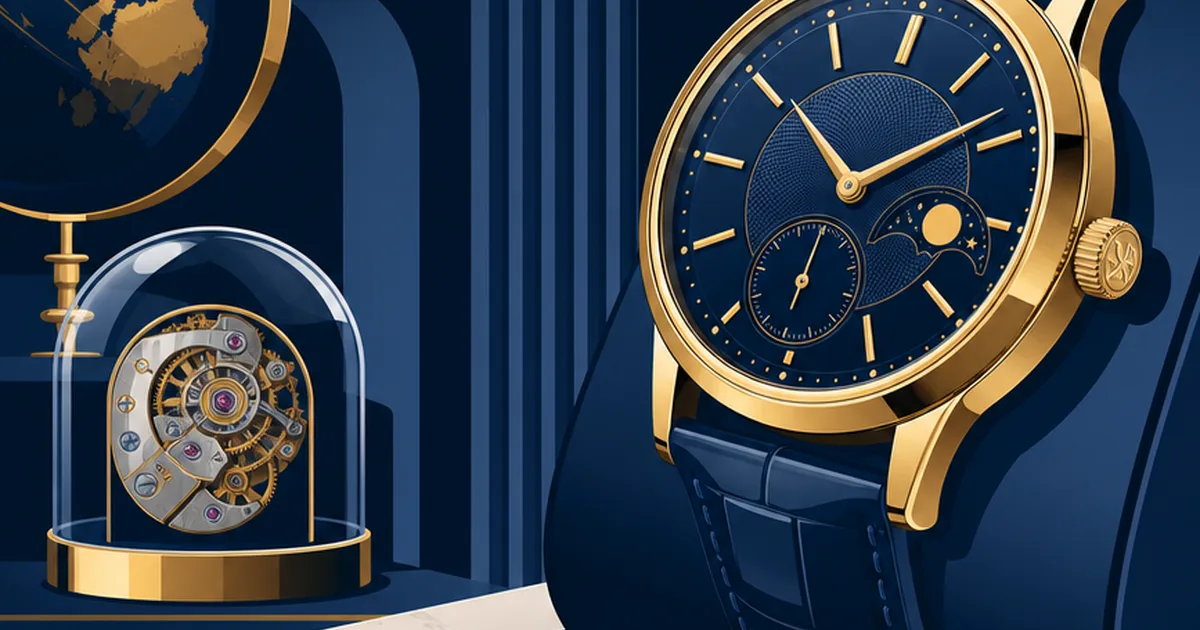
The movement — the engine that keeps time — is the single most important thing to understand inside any watch. There are three families, and each shapes how a watch feels, performs, and holds value. Manual and automatic movements are both mechanical, powered by a wound mainspring; quartz movements are powered by a battery and a vibrating quartz crystal. Knowing which is which, and why it matters, is the foundation of watch literacy.
How they differ in practice
- Manual (hand-wound): you wind the crown daily; typically thin, traditional, and intimate to use.
- Automatic (self-winding): a rotor winds the mainspring from the motion of your wrist; wear it and it keeps running.
- Quartz: battery-powered, highly accurate, low-maintenance, and inexpensive to run.
None is objectively superior; they serve different purposes. A quartz watch will out-keep a mechanical one for sheer accuracy, yet serious collecting centres on mechanical watches for their craft, history, and the fact that they are built to be serviced and run indefinitely, not thrown away when a battery dies.
How a Mechanical Movement Works
A mechanical movement stores energy in a coiled mainspring and releases it in tiny, regulated increments. The escapement — the escape wheel, pallet fork, and balance wheel — is the heart of the system: it doles out energy in precise beats, producing the familiar tick and driving the hands at a constant rate. The balance wheel oscillates back and forth at a fixed frequency, often 28,800 vibrations per hour in modern watches, and that steady heartbeat is what keeps time.
Two figures you will meet often are power reserve — how long the watch runs on a full wind, commonly around 40 to 70 hours — and jewels, the synthetic rubies set at points of friction to reduce wear. A jewel count in the twenties is normal and functional, not a marketing gimmick. Accuracy in a good mechanical watch is measured in seconds per day; a chronometer-certified movement meets a defined, tested standard of precision.
Complications: Function Beyond Timekeeping
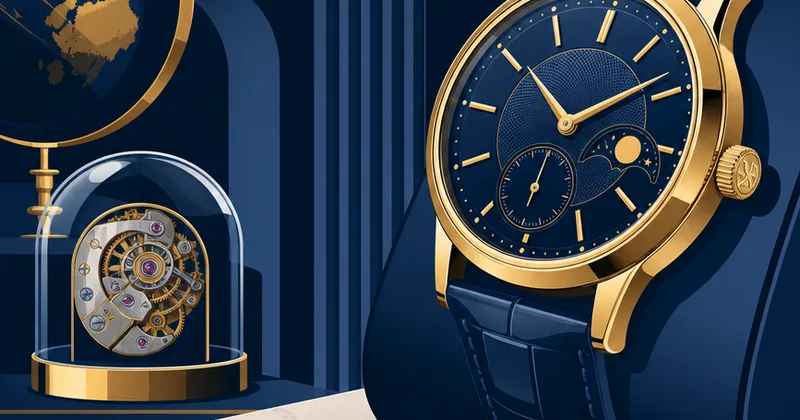
Any function beyond telling the hours, minutes, and seconds is called a complication, and complications are where watchmaking becomes art. The most common are practical: a date, a chronograph (stopwatch), a GMT or second time zone. Higher complications — perpetual calendars that track the date correctly including leap years, moonphase displays, minute repeaters that chime the time, and tourbillons that counter the effect of gravity on the balance — represent the summit of the craft and command prices to match.
For a collector, complications are a double-edged sword. They add capability, beauty, and often value, but they also add cost, servicing complexity, and fragility. A simple, superbly executed time-only watch can be more satisfying — and more valuable — than a cluttered watch stuffed with features. Buy the complication you will actually use and admire, not the one that merely sounds impressive.
What the Movement Means for Value and Servicing
The movement bears directly on value. An in-house calibre — designed and made by the watch’s own manufacture — generally carries more prestige than a bought-in generic movement, though many excellent watches use well-regarded third-party calibres beautifully finished. Collectors also prize correct, original movements: a vintage watch fitted with the wrong calibre for its reference loses significant value, which is why matching the movement to the reference is part of authentication.
Mechanical movements need periodic servicing — typically every four to seven years — to clean old lubricant, replace worn parts, and restore accuracy. A neglected movement runs dry, wears itself out, and becomes expensive to save. Factor servicing into the cost of ownership, keep service records (they support resale), and never buy a high-value vintage watch without knowing when it was last serviced.
Collector's notes
- Movements come in three families: manual, automatic (both mechanical), and quartz.
- The escapement and balance wheel regulate a mechanical watch; power reserve and jewels are key specs.
- Complications add capability and value but raise cost, fragility, and servicing needs.
- In-house and correct, original calibres support value; mismatched movements hurt it.
- Mechanical watches need servicing every 4–7 years — budget for it and keep records.